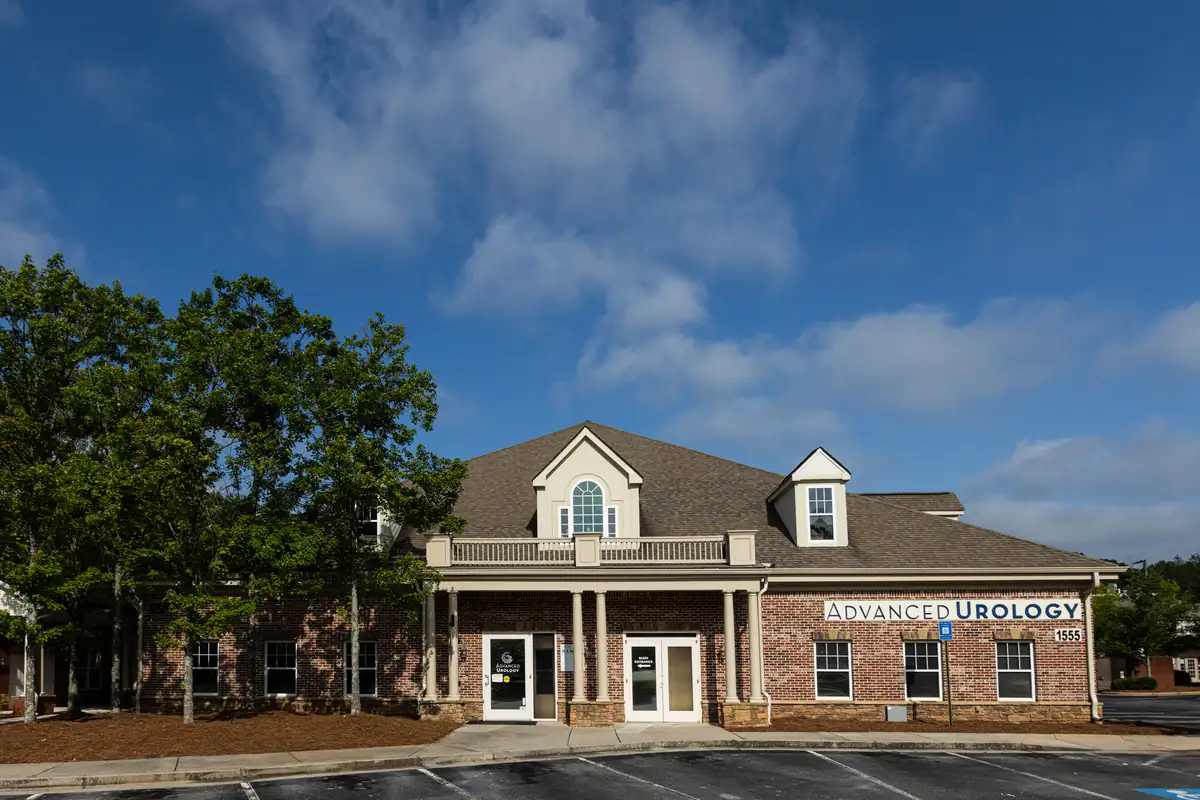
Snellville Clinic & Surgery Center
1557 Janmar RdSnellville, GA 30078
BPH procedures · Snellville & Conyers
TURP is the long-standing operation for an enlarged prostate: tissue that blocks the channel is trimmed away from the inside, with no cut on the skin. It has decades of results behind it and is still a strong choice for many moderate-sized glands. Our urologists see you first in Snellville or Conyers to decide whether it is the right fit.
Under anesthesia, a scope is passed through the urethra and a heated wire loop shaves away the prostate tissue pressing on the channel. The pieces are rinsed out and sent to the lab. A catheter is left in at the end so the area can rest while urine drains.
Advanced Urology’s treatment guide places TURP with the medium-gland options, roughly 40 to 80 cc. It suits men with moderate or severe symptoms who want a proven operation, men whose medicines have stopped working, and some men with repeated urinary retention, bladder stones or bleeding from the prostate.
TURP is listed as an outpatient procedure at an Advanced Urology ambulatory surgery center. The guide lists a catheter for about 1 to 3 days, and you go home with it and instructions for its care. Have someone drive you home after anesthesia.
Our urologists review these with you, along with options that protect ejaculation, such as UroLift or prostate artery embolization.
We start with your symptoms, how long they have been building and which medicines you have tried. A urine test, a flow test and a bladder scan after you go show how blocked the channel is, and imaging measures the prostate. If your PSA is due or raised, that is checked too, since the plan for an enlarged prostate should not hide a cancer question.
From there, our urologists lay out which procedures fit your gland, from UroLift and prostate artery embolization to TURP and laser enucleation, and what each one means for recovery and ejaculation.
HoLEP and ThuLEP use a laser to remove the inner prostate in larger pieces and are listed for larger glands, above about 80 cc. TURP is often the choice for moderate glands. Our HoLEP and ThuLEP guide explains the laser options in more detail.
TURP evaluations are done in Snellville and Conyers. Call (678) 344-8900 to set up a visit.
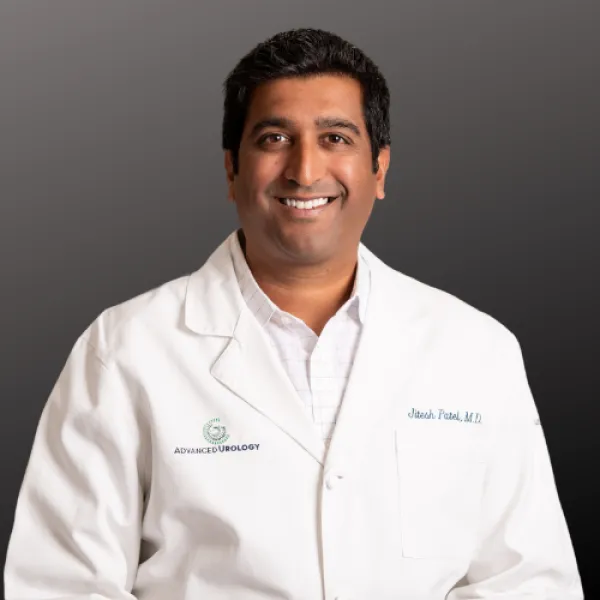
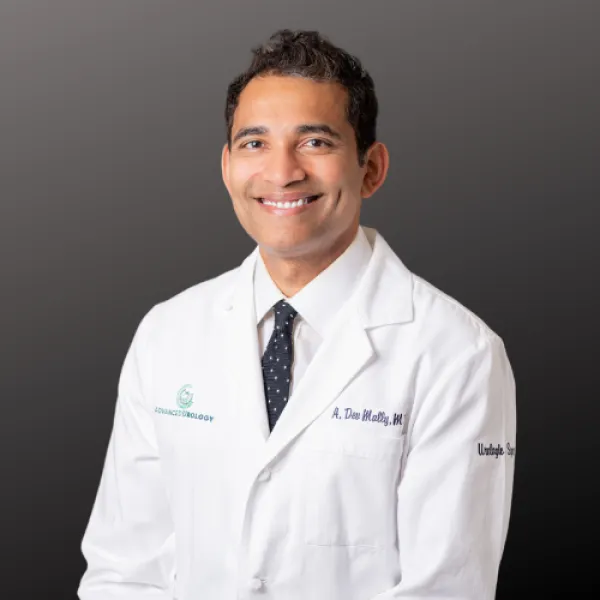
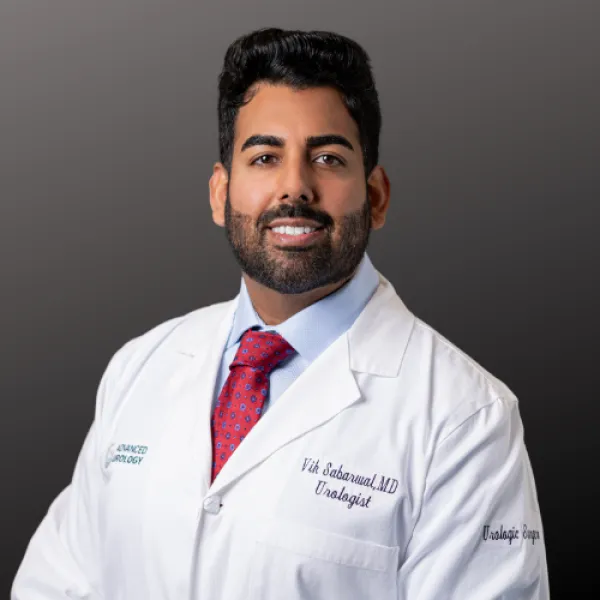
Urologists here who evaluate men for TURP and other BPH procedures: meet the whole team.
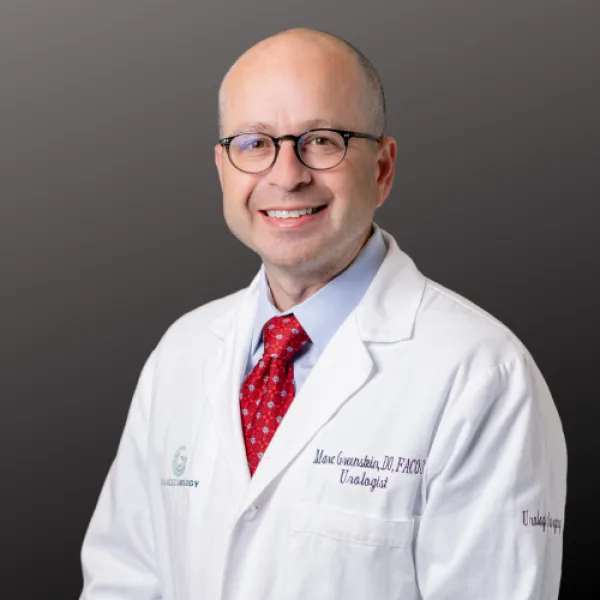
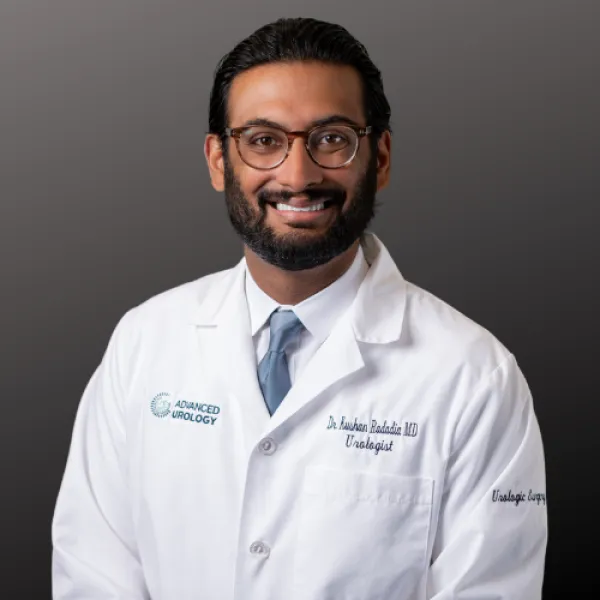
Dr. Marc Greenstein of our Conyers Clinic talks through BPH and its treatments.
Yes, for the right man it is. TURP has the longest track record of any BPH procedure, and for moderate glands it gives durable relief. Newer options trade some of that durability for fewer sexual side effects or a quicker recovery, and the right balance depends on your scan and priorities.
Many men do. Retrograde ejaculation, where semen goes back into the bladder, is common after TURP and is not harmful, but it does change climax and can affect fertility. If that matters to you, ask about UroLift or prostate artery embolization at the visit.
Yes. If UroLift no longer gives enough relief, the implants can be taken out during a later operation such as TURP or laser enucleation. Advanced Urology notes that needing to remove the implants is uncommon. Our urologists check your scan and symptoms to decide which second procedure fits.
Most men can do light activity and walking soon after the catheter comes out. Heavy lifting, hard exercise and straining are usually held for a few weeks, and you will get a specific plan before you leave. Call us for heavy bleeding, clots, fever, or trouble urinating once the catheter is removed.
Educational content, not a diagnosis. Our urologists go over the risks and benefits of TURP and the alternatives with you.
Book a visit in Snellville or Conyers and we’ll lay them out side by side.